When choosing a shed or shade structure in Pakistan, the fabric you pick matters just as much as the design. The two most common materials on the market are engineered tensile membrane fabric and standard PVC tarpaulin (tarpal). Here’s how they compare.
UV and Heat Protection
High-grade tensile fabric is specifically engineered to block harmful UV rays and reduce heat transfer, making the space underneath noticeably cooler — important for Pakistan’s long, hot summers. Standard tarpaulin offers basic shade but generally lets more heat through.
Durability and Lifespan
Tensile membrane is built to withstand years of continuous sun exposure, rain and wind without significant fading, cracking or sagging. PVC tarpaulin is more affordable initially but tends to degrade faster under constant UV exposure, especially in summer.
Appearance
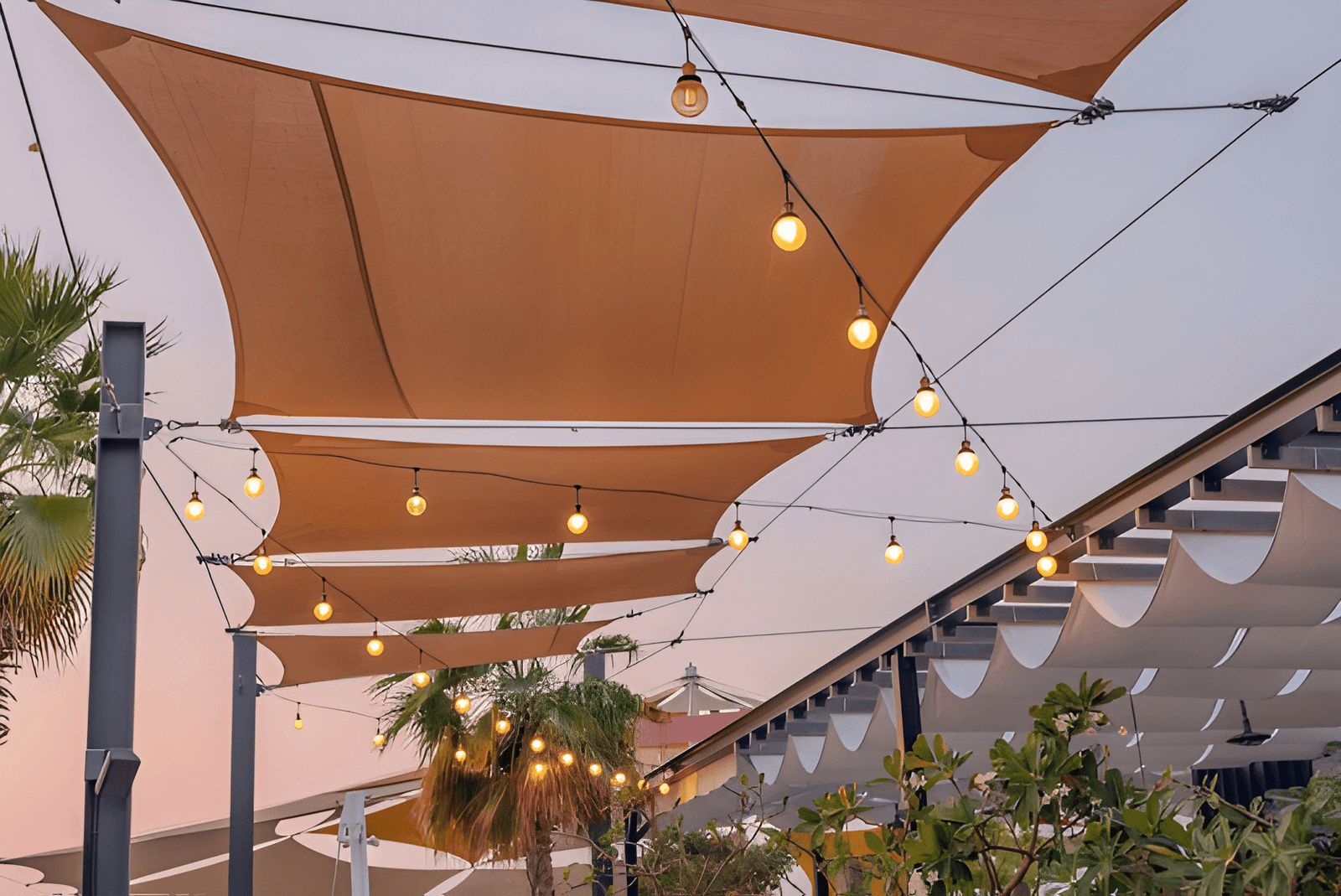
Tensile structures have a sleek, architectural look that suits homes, restaurants, malls and corporate buildings. Tarpal shades are more utilitarian and are typically better suited to short-term, agricultural or budget storage applications.
Cost Considerations
Tarpal shades usually cost less per square foot upfront, which makes them a reasonable option for temporary cover or tight budgets. Tensile fabric costs more initially but typically needs replacing far less often, so it’s usually the better long-term investment for a permanent structure.
Our Recommendation
For permanent car parking shades, warehouse roofing, pool covers or any structure meant to last for years, tensile fabric is almost always worth the extra investment. For short-term or seasonal cover, tarpal can be a practical, cost-effective choice.
Not sure which material suits your project? Talk to our team for honest advice based on your budget and site.